
Building teams that actually work together
Most teams have talent. What they lack is the structure to use it effectively.
We focus on what happens between meetings—the patterns that either compound or collapse under pressure.

What we provide
Each service addresses a specific friction point. No generic frameworks, no borrowed models from industries that don't resemble yours.
Communication Design
How information flows between people determines velocity. We map existing pathways, identify bottlenecks, and redesign routing so decisions don't stall waiting for someone to forward an email.
Conflict Navigation
Disagreement isn't the problem—avoiding it is. We train teams to surface tension early, separate problem from person, and turn friction into productive debate instead of silent resentment.
Role Clarity Sessions
When everyone thinks someone else is handling it, nothing gets handled. We define who owns what, what decision rights belong where, and how accountability actually works in practice.
Feedback Mechanics
Most feedback arrives too late or too vague to be useful. We install systems where critique becomes routine, specific, and separated from performance reviews so people can improve without fear.
Decision Protocols
Consensus sounds collaborative until it paralyzes every choice. We establish clear methods—when to consult, when to delegate, when to override—so teams move forward without endless meetings.
Trust Architecture
Trust doesn't emerge from team-building exercises. It grows when people consistently do what they say they'll do. We help teams build predictability into their operations so reliability becomes the norm.
How long does this take?
Most interventions run between six and fourteen weeks. That's enough time to observe real patterns, test changes under pressure, and verify that new behaviors stick when nobody's watching.
We don't do one-day workshops. Transformation doesn't happen in a conference room with sticky notes.
11 Average weeks per engagementOn-site
We observe your team in their actual environment, not a rented meeting space.
Remote
Same methodology, adapted for distributed teams across time zones.
Hybrid
Mix of in-person observation and remote follow-up sessions.
What participants say after the work is done

We stopped having the same argument in different words. That alone justified the time investment.
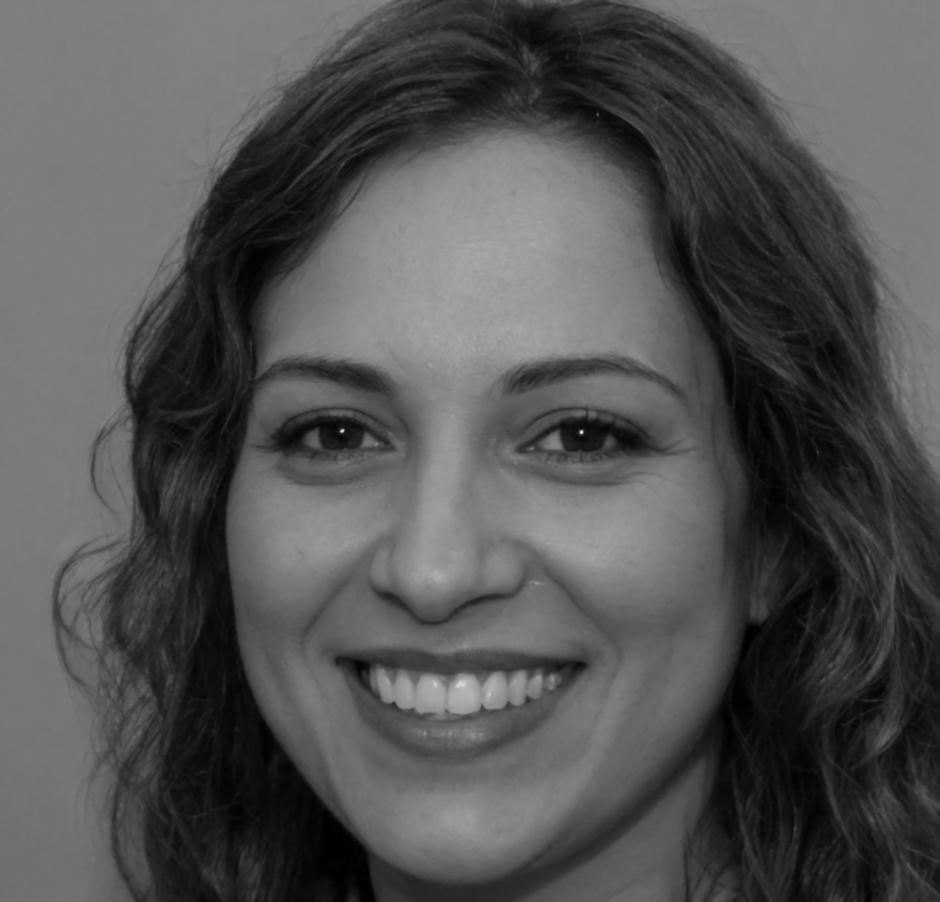
The changes weren't dramatic, but three months later we're shipping faster and people aren't burned out. Turns out small adjustments compound quickly when everyone follows them.

They identified patterns we'd been blind to for years. Once we saw them, fixing them became obvious.
Common questions
Yes. Distance doesn't change the fundamentals—communication still breaks down, roles still blur, conflicts still fester. We adapt observation methods and use asynchronous tools where synchronous meetings don't make sense.
Most engagements involve teams of eight to thirty people. Smaller than eight and informal coordination often suffices. Larger than thirty and you're dealing with organizational design, not team dynamics.
Completely. We observe, we report themes, but we never attribute specific comments or behaviors to individuals. People need to speak candidly without worrying it'll end up in a performance review.
We build follow-up checkpoints into every engagement. Behavior change requires reinforcement. If something regresses, we adjust the approach—sometimes the intervention was right but the timing was wrong.
We track decision latency, meeting efficiency, conflict resolution time, and team-reported clarity scores. Soft metrics matter too—do people feel heard, do they trust the process—but we anchor everything to observable behavior changes.